 Life of a SuperstarCareers, told properly.


Photo: "Ingenues" on stage, 1928-1929 - by Sam Hood (3273848616) by Sam Hood (Public domain), via Openverse
Life of a Superstar Careers, told properly.
Career retrospectives and archive essays on the people who built the screen, from the public record only.
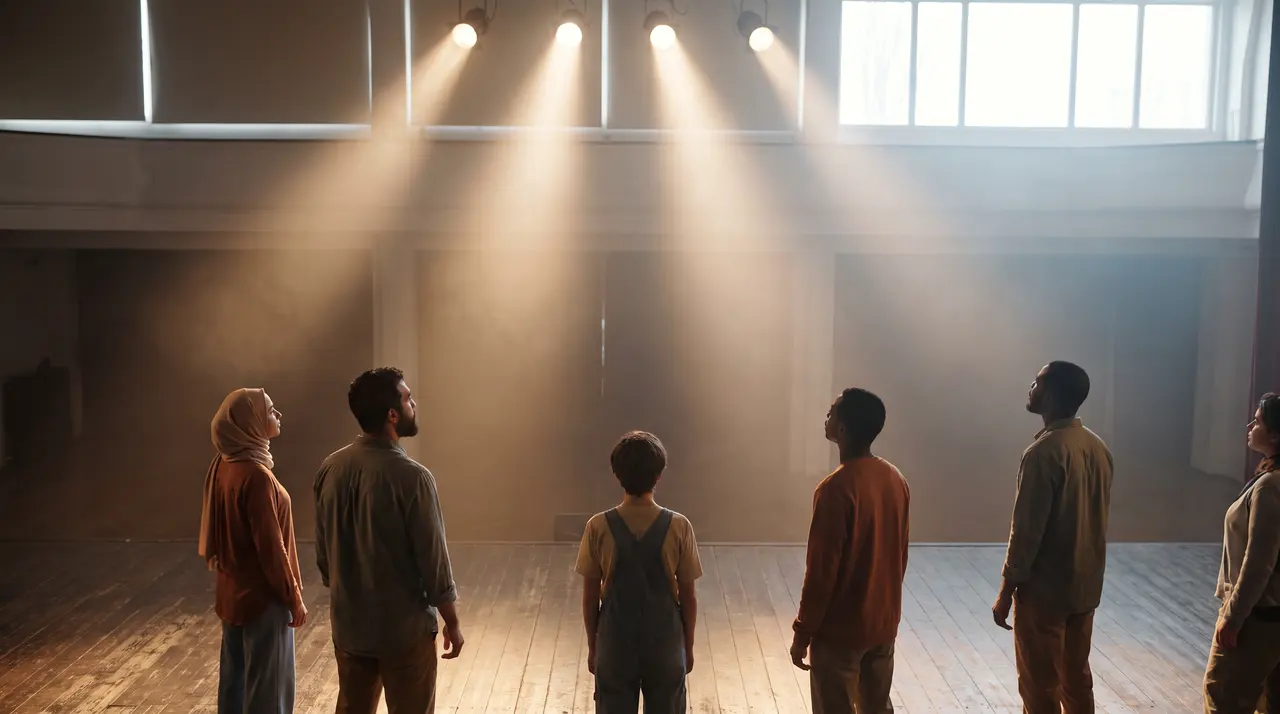
Now showingThe whole career, not the highlight
Reel 01 Timelines
No two screen careers run the same way, but the long ones tend to pass through recognisable stages. Drag the star along the arc, use the slider, or pick a stage, and the library opens at the essays that explain it.
The curve is illustrative: a common shape drawn from the essays, not any one person's career. Height shows public visibility, not talent or worth.
Years 0 to 4 in frame
Before anyone is watching there is voice work, movement classes, small stages and the slow business of learning to be seen without flinching. Most of this stage never appears in a filmography.

Reel 02 The walk
Cars, a doorway, the first photographs. Arrival is choreographed long before the night, down to the order in which names step out.
Read: The Red Carpet as Its Own PerformancePhotographers call a name and the performer turns, pauses and turns again. The unwritten rules of this stretch are older than most of the people on it.
Read: The Unspoken Rules of a Red Carpet Photo LineA few questions asked mid stride. The answers are a performance too, and rarely the voice the person uses off camera.
Read: The Interview Persona and the Life Lived Off CameraInside, the ceremony is a night of theatre in its own right, with a running order, a script and an orchestra waiting for its cue.
Read: The Ceremony as a Night of Theatre ItselfReel 03 Profiles
Six essays from six shelves, each one a way into how screen careers are built, sold and remembered. The photographs are archive and Creative Commons images, credited under each card.
Photo: "Ingenues" on stage, 1928-1929 - by Sam Hood (3273848616) by Sam Hood (Public domain), via Openverse

Photo: (L-R) Alan Bates & Joanna Pettet on Broadway in "Poor Richard" (1964) by Samuel Lurie (Public domain), via Openverse

Photo: Irene Dunne and George Burns on Lux Theatre by Unknown, not listed (Public domain), via Openverse

Photo: Antal Dorati conducts an orchestral rehearsal for Colonel de Basil's "Original Ballet Russe" (Russian Ballet) season, Th by Hood Studio (Public domain), via Openverse

Photo: Saenger Theatre - April 2026 by https://linktr.ee/carnaval.com (CC BY 4.0), via Openverse

Photo: 13-06-07 RaR Fujinon film camera by Achim Raschka (talk) (CC BY-SA 3.0), via Openverse
Reel 04 First and last
Beginnings get the anecdotes and endings get the tributes. Each card pairs an essay about how careers start with one about how they close. Turn the card to read the other end.
The overnight success is rarely as sudden as it appears from the outside looking in. Behind most breakout roles sits a long apprenticeship of small...
A small number of performers choose to step back from the industry precisely when their career is at its strongest, a decision that puzzles audiences...
A table read, the first occasion when an entire cast reads a script aloud together, transforms words on a page into something closer to an actual...
Not every departure from public life comes with an announcement or a farewell tour, and some performers simply stop accepting new roles, gradually...
Biographical profiles of established performers almost invariably open with a carefully selected childhood image, a visual shorthand meant to suggest...
Occasionally a performer receives significant recognition only after their death, a bittersweet honour that acknowledges genuine, lasting...
Reel 05 The archive
Long after the premieres, a career lives in vaults, negatives and restorations. Drag across the frame, or use the slider, to see what a restoration has to win back.

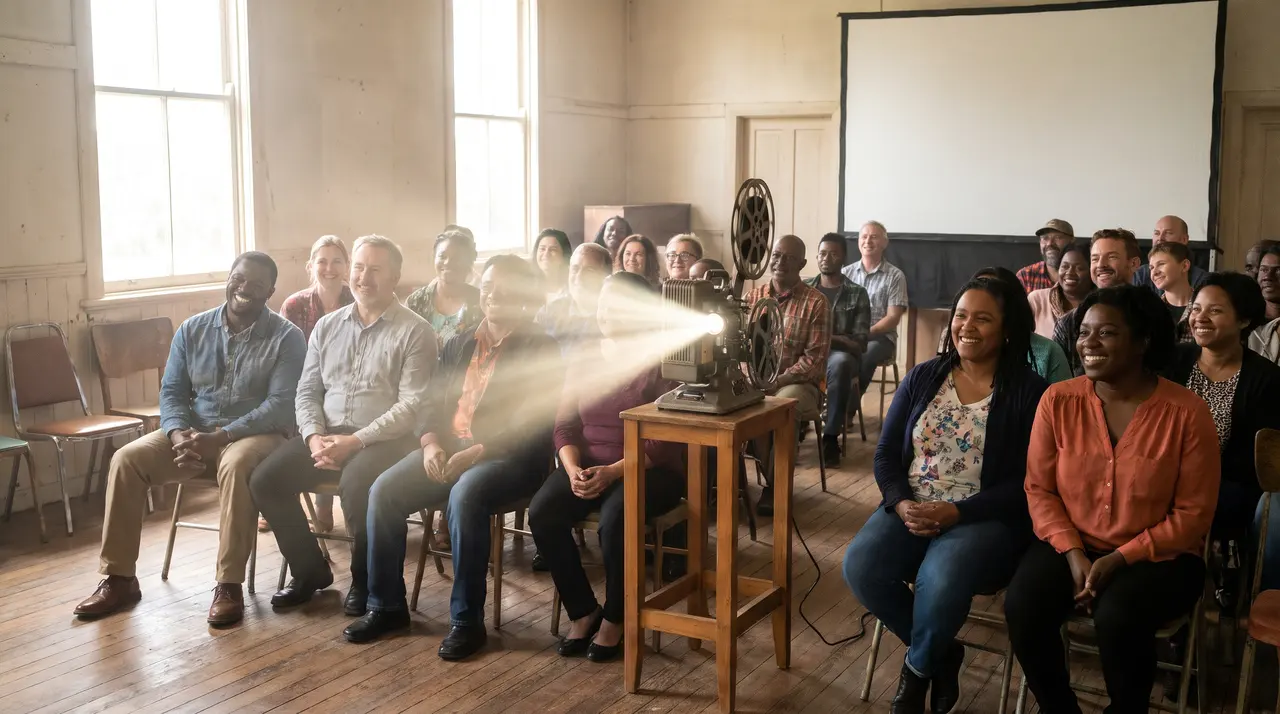
26 essays on nitrate, vaults, lost prints and the people who keep films watchable.
Reel 06 Filmographies
210 evergreen reads on 8 shelves. Reference and explainer writing only, drawn from the public record.
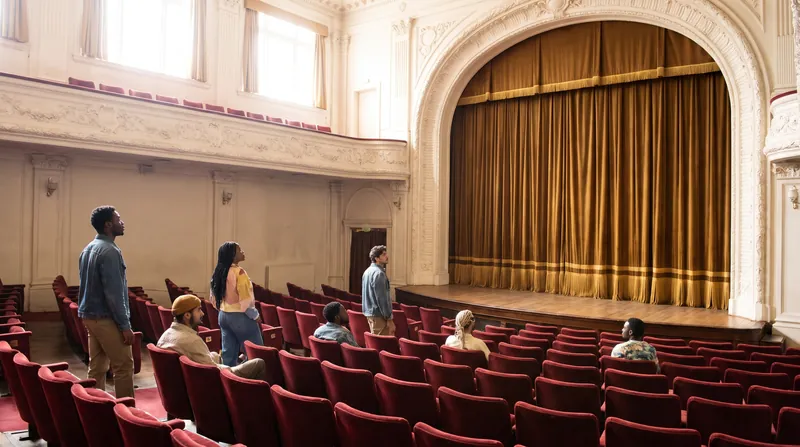
Intermission The house lights are down
Search all 210 essays by word, or browse a shelf from the first audition to the last tribute.
Open the library